The History of the Senlis Madeleine
Near the Pantheon, the Hôtel Madeleine de Senlis unveils a private mansion where 19th-century Parisian art de vivre blends with authentic decor. Amidst antique furniture, Toile de Jouy fabrics, and a leafy courtyard, the hotel invites you to experience an intimate escape, steeped in history and charm.
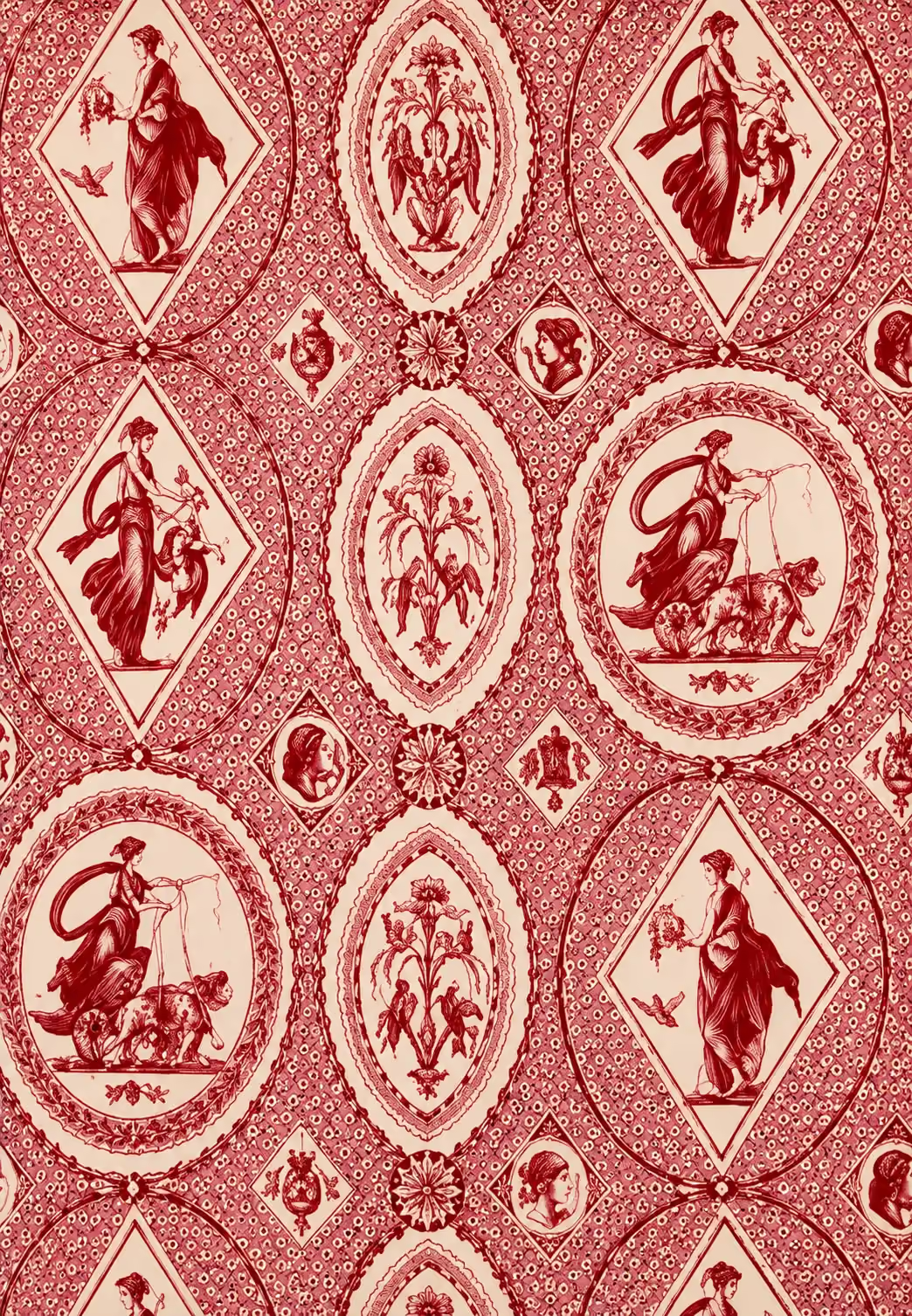
The origins of Toile de Jouy
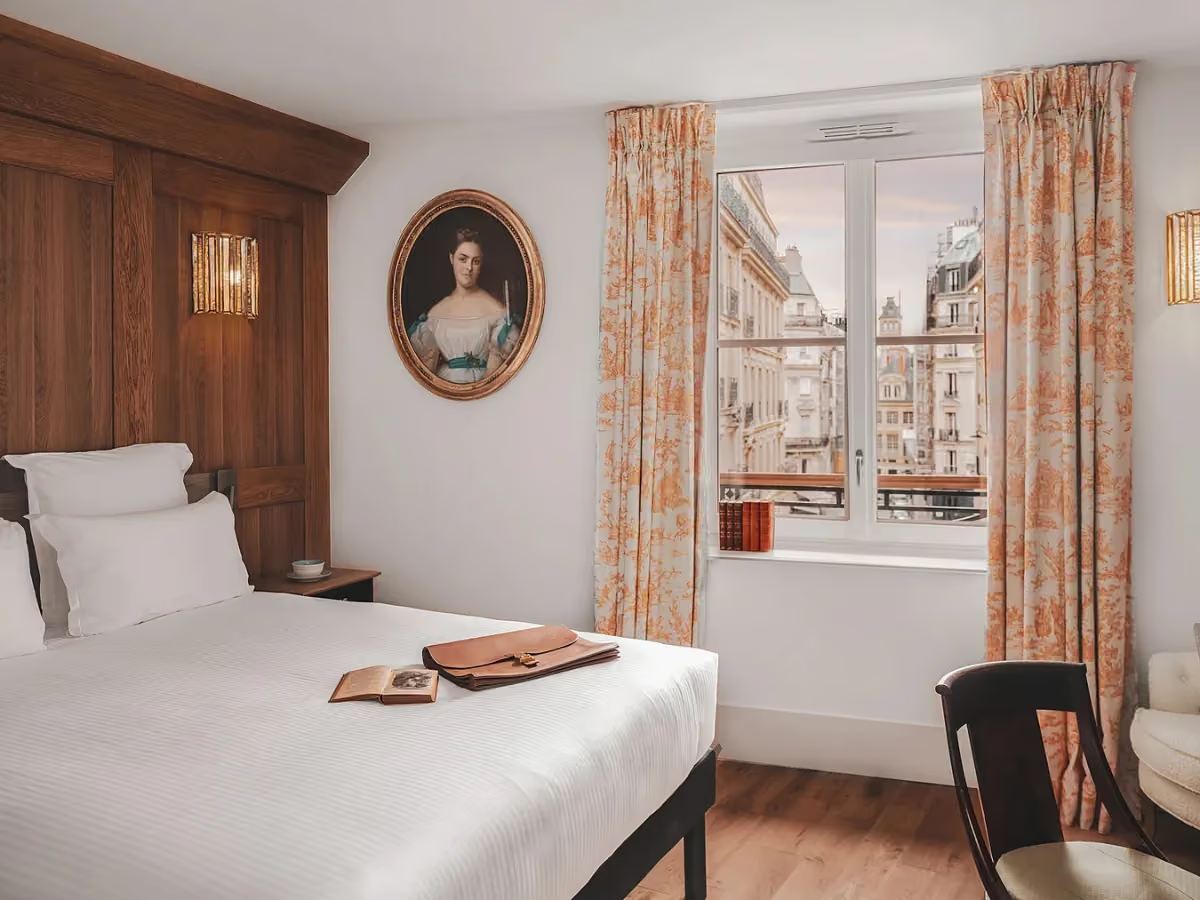
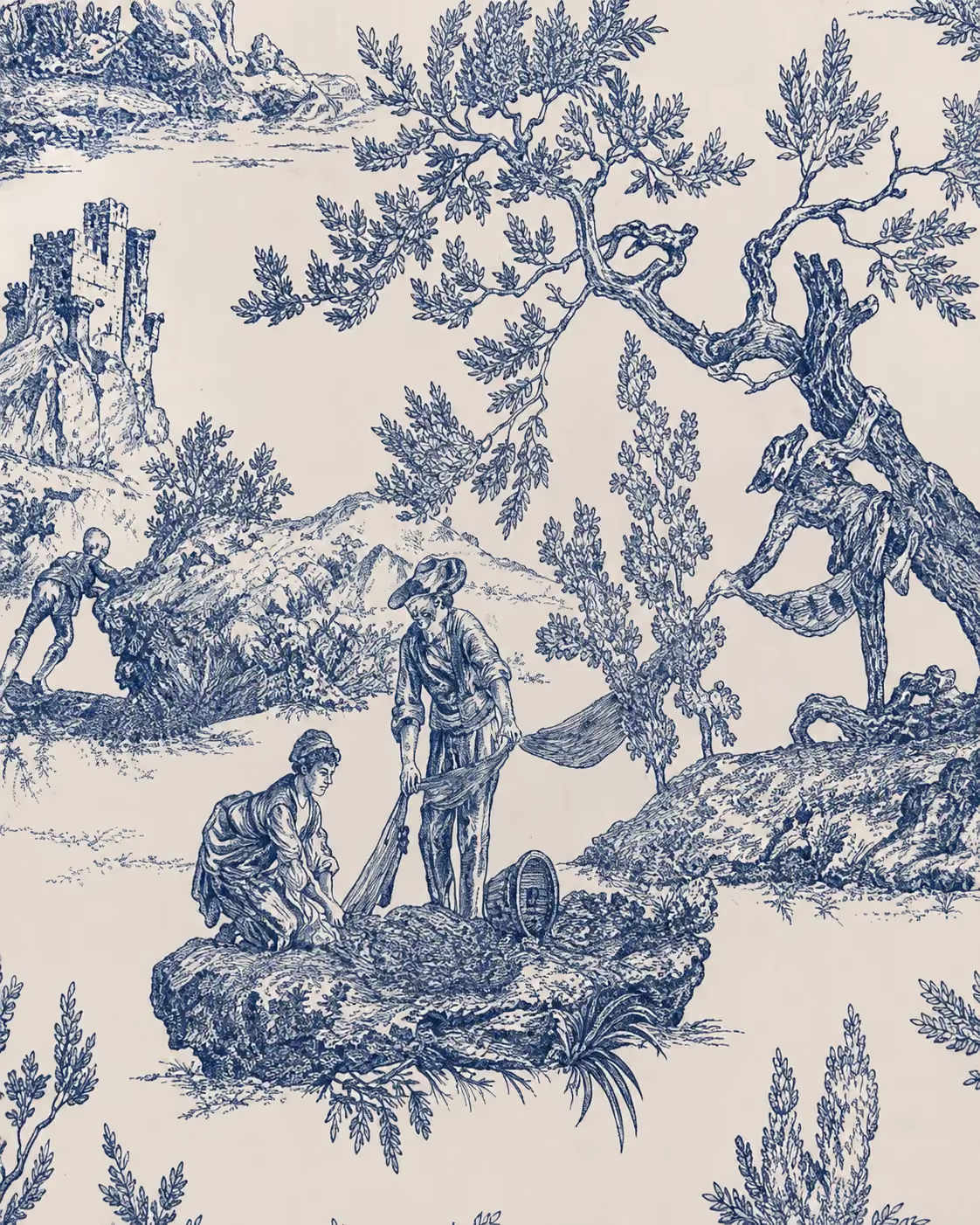
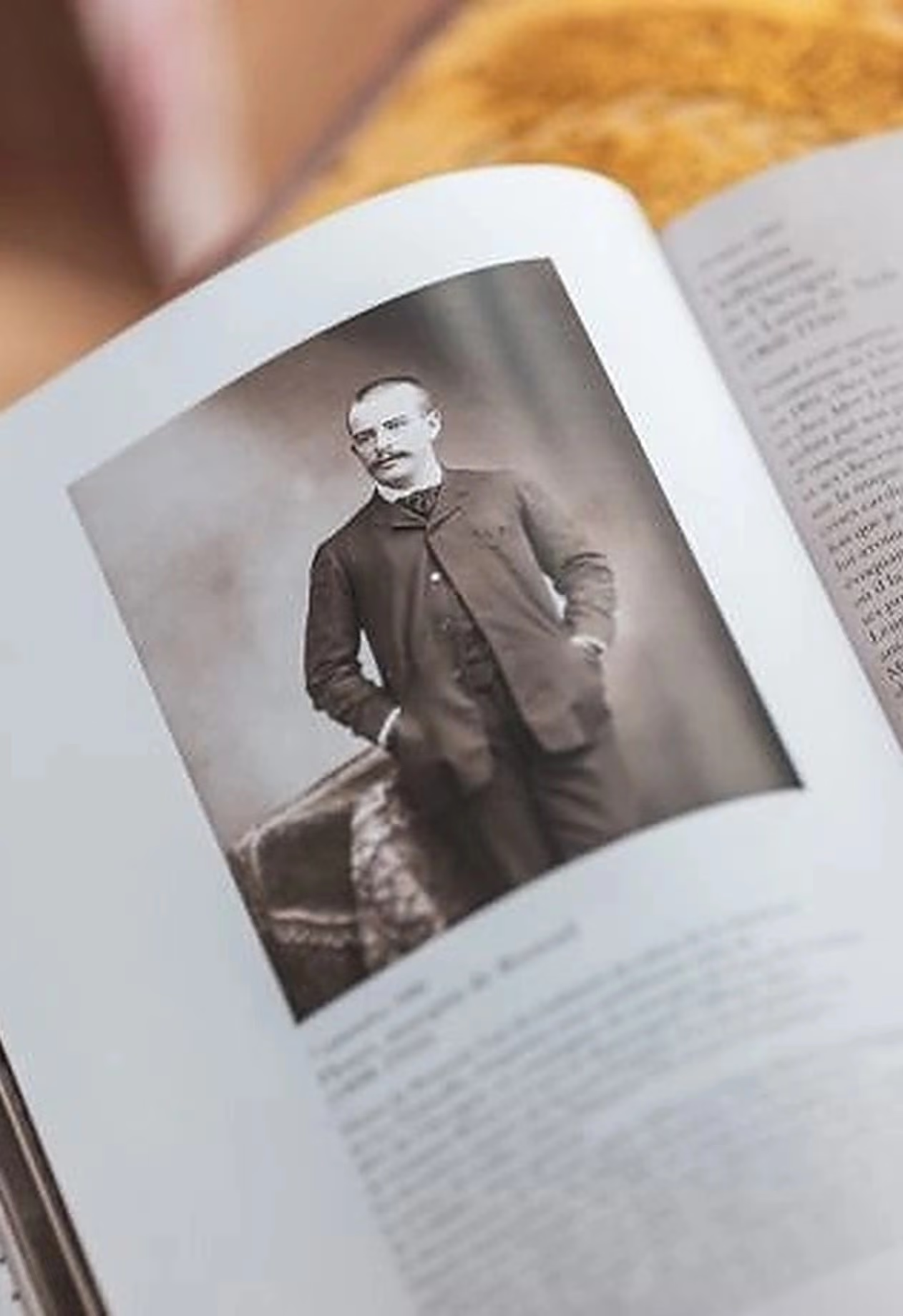
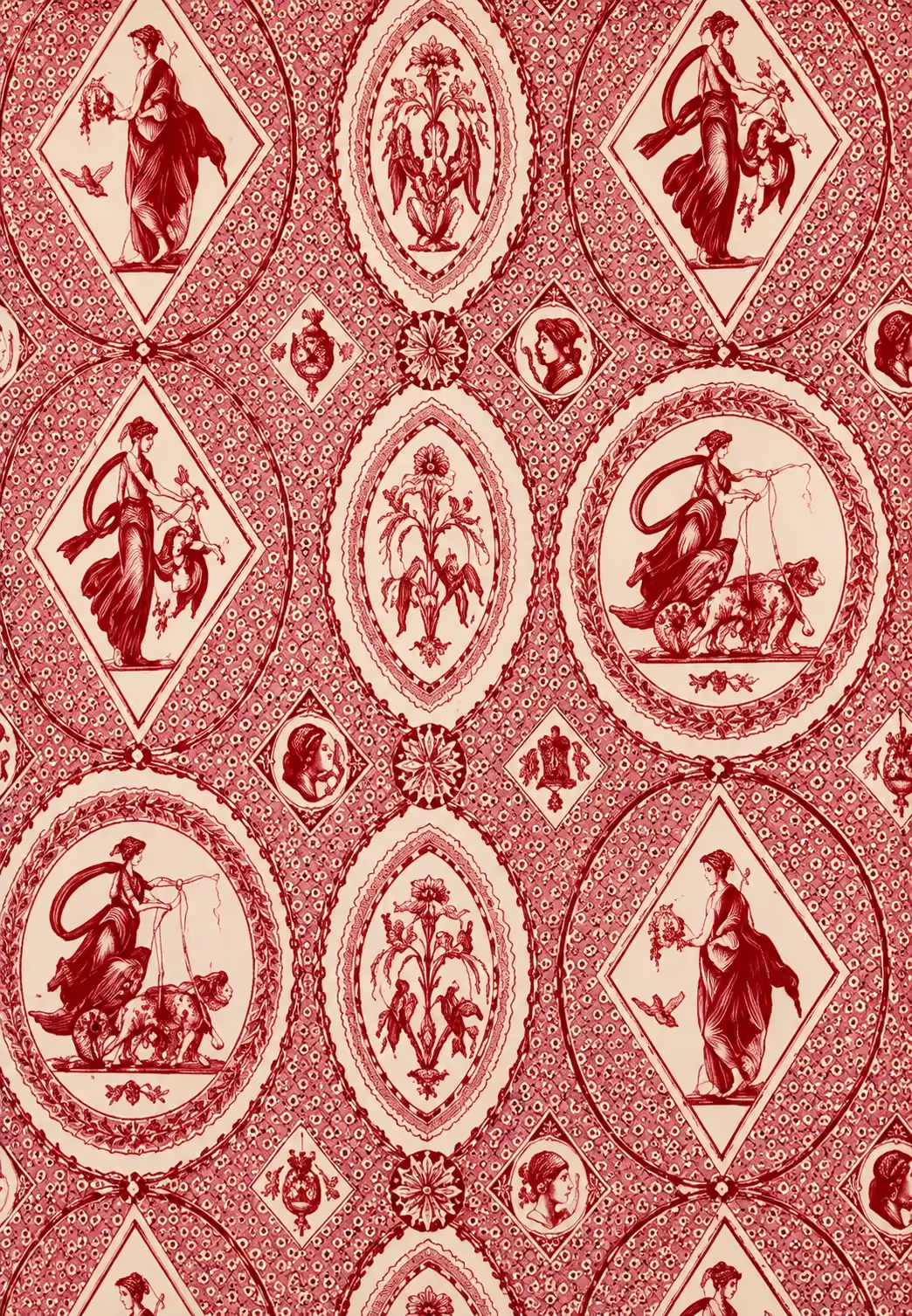
In 1760, German dyer Baron Oberkampf founded his own printed fabric factory in Jouy-en-Josas, in the Yvelines region. Following its success, the factory was designated a "Royal Manufactory" by Louis XVI. Originally printed using engraved wooden blocks, Toile de Jouy—a cotton fabric—gradually evolved its character-based patterns through screen printing, which allowed for the application of multiple layers of different shades. Finally, Baron Oberkampf modernized the process by adopting the engraved copper roller technique. This significant advancement made continuous fabric printing possible. The freshness of the patterns, their originality, and the vast rolls of fabric made this innovation an immediate success, with castles and grand bourgeois homes adopting it to refresh and modernize their interiors throughout the 18th and 19th centuries. To design the patterns, Oberkampf collaborated with renowned 18th-century painters to create the iconic prints for his fabric, such as Jean-Baptiste Huet, who served as the King's painter.
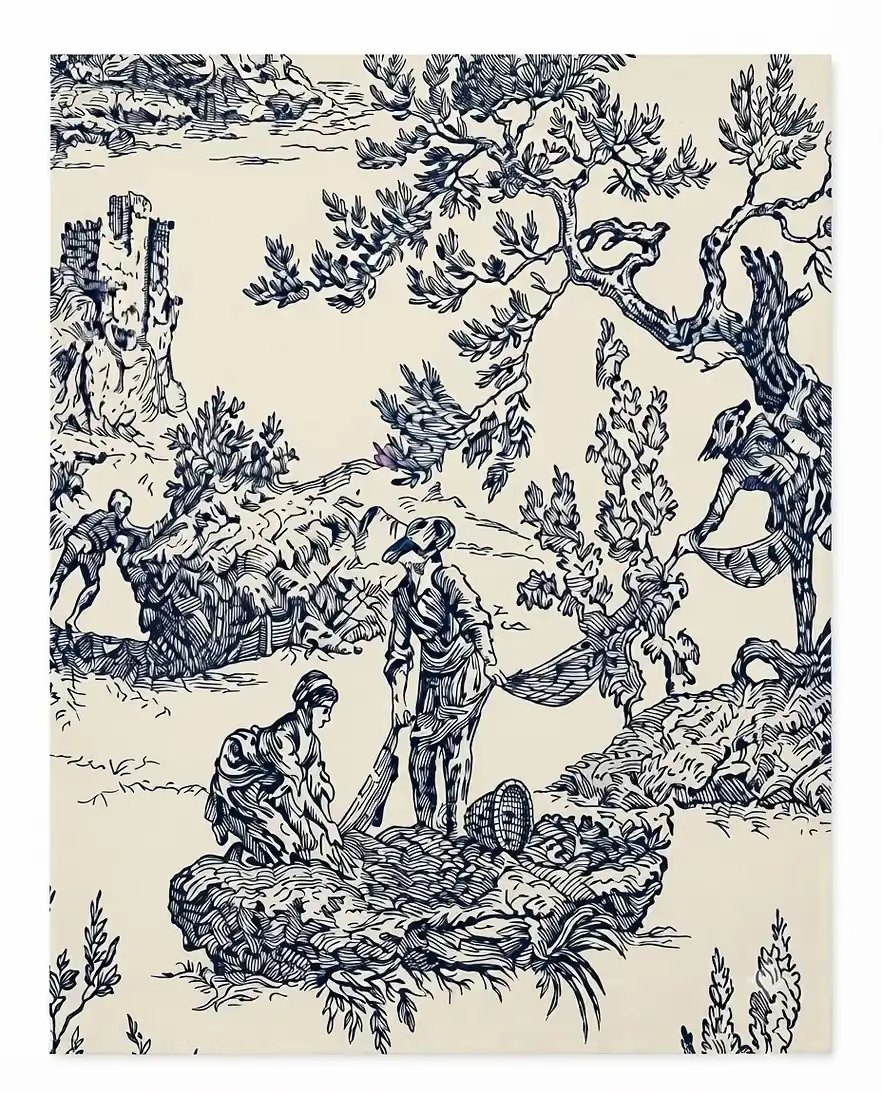
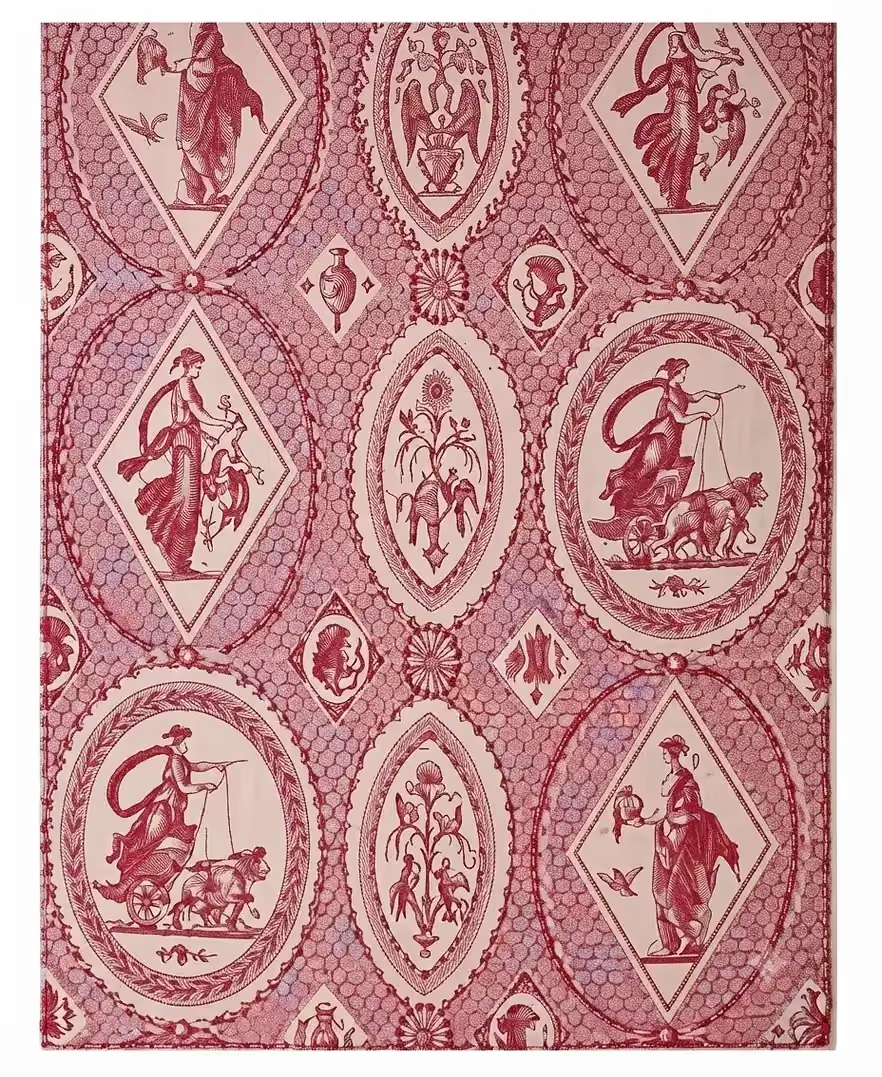
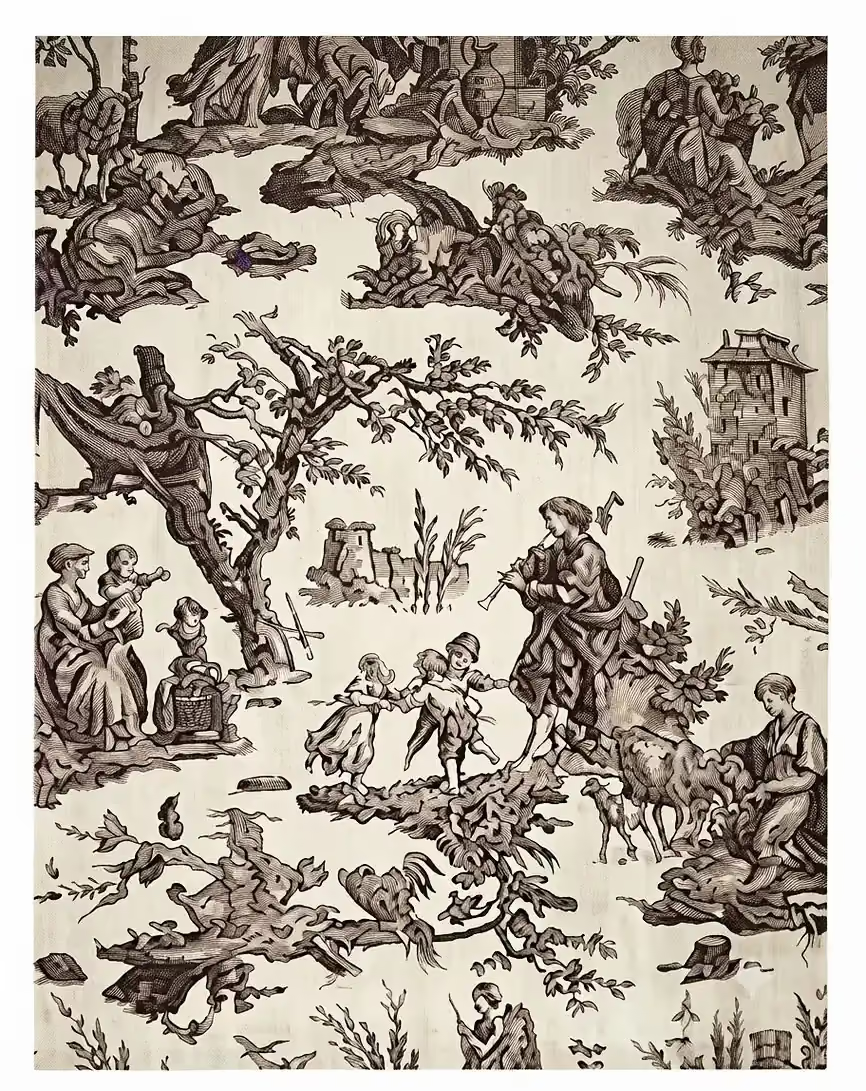
Originally, the genre scenes featured on Toile de Jouy were monochrome. Ranging from brown to gray and blue, or pink to burgundy, they were printed on a white or off-white background. There were also "negative" prints, featuring a colored background with light-colored patterns, as the range of available colors was limited in the 18th century. The preferred themes of Toile de Jouy include love, art, mythology, nature, and industry, with each fabric design being given its own name.
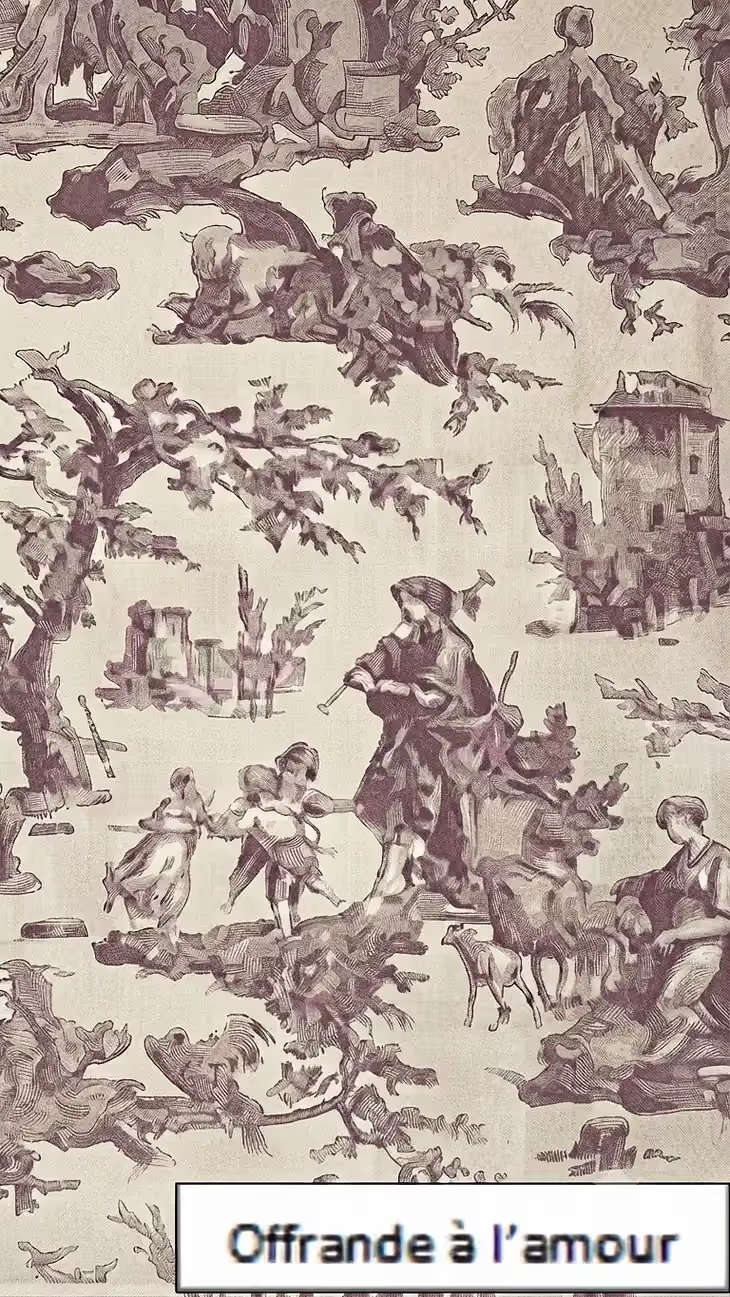
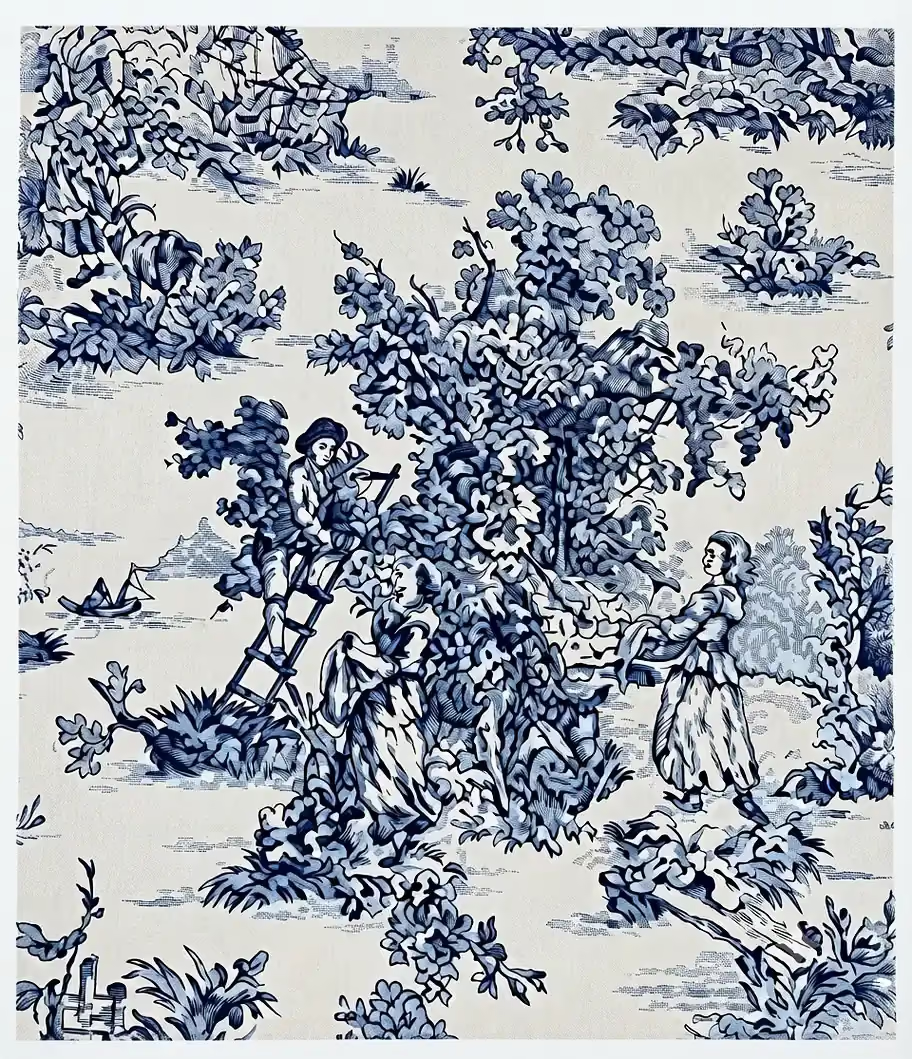
L’origine de la toile de Jouy
Le baron Oberkampf, teinturier allemand, fonde sa propre manufacture de toiles imprimées à Jouy-en-Josas dans les Yvelines, en 1760. Forte de son succès, elle sera nommée "manufacture royale" par Louis XVI. A l'origine imprimée à l'aide de planches en bois gravées, la toile de Jouy - une étoffe de coton - a peu à peu vu l'impression de ses motifs à personnages évoluer grâce à l'impression au cadre, permettant d'appliquer plusieurs couches de nuances différentes. Enfin, le baron Oberkampf modernisera le procédé en adoptant la technique du rouleau de cuivre gravé. Une avancée considérable qui rendra possible l'impression de la toile en continu. La fraicheur des motifs, leur originalité, et les immenses rouleaux de tissu, font de cette nouveauté un succès immédiat, les châteaux et les grandes demeures bourgeoises s’en saisiront pour renouveler et moderniser le décor de leurs intérieurs au 18 et 19ème siècle. Pour la création des motifs, Oberkampf a su s'entourer de peintres renommés du XVIIIe pour créer les emblématiques imprimés de sa toile, tel que Jean Baptiste Huet, qui n'était autre que le peintre du roi.
A l'origine, les scènes de genre présentes sur la toile de Jouy sont monochromes. Variant du brun au gris en passant par le bleu, ou du rose au bordeaux, elles sont imprimées sur un fond blanc ou écru. Il existe également des toiles imprimées en négatif, avec un fond de couleur et des motifs clairs, le choix des coloris n'était pas très large au XVIIIe siècle. Les thèmes de prédilection de la Toile de Jouy sont l'amour, l'art, la mythologie, la nature et l'industrie, il a été donné un nom à chaque toile.
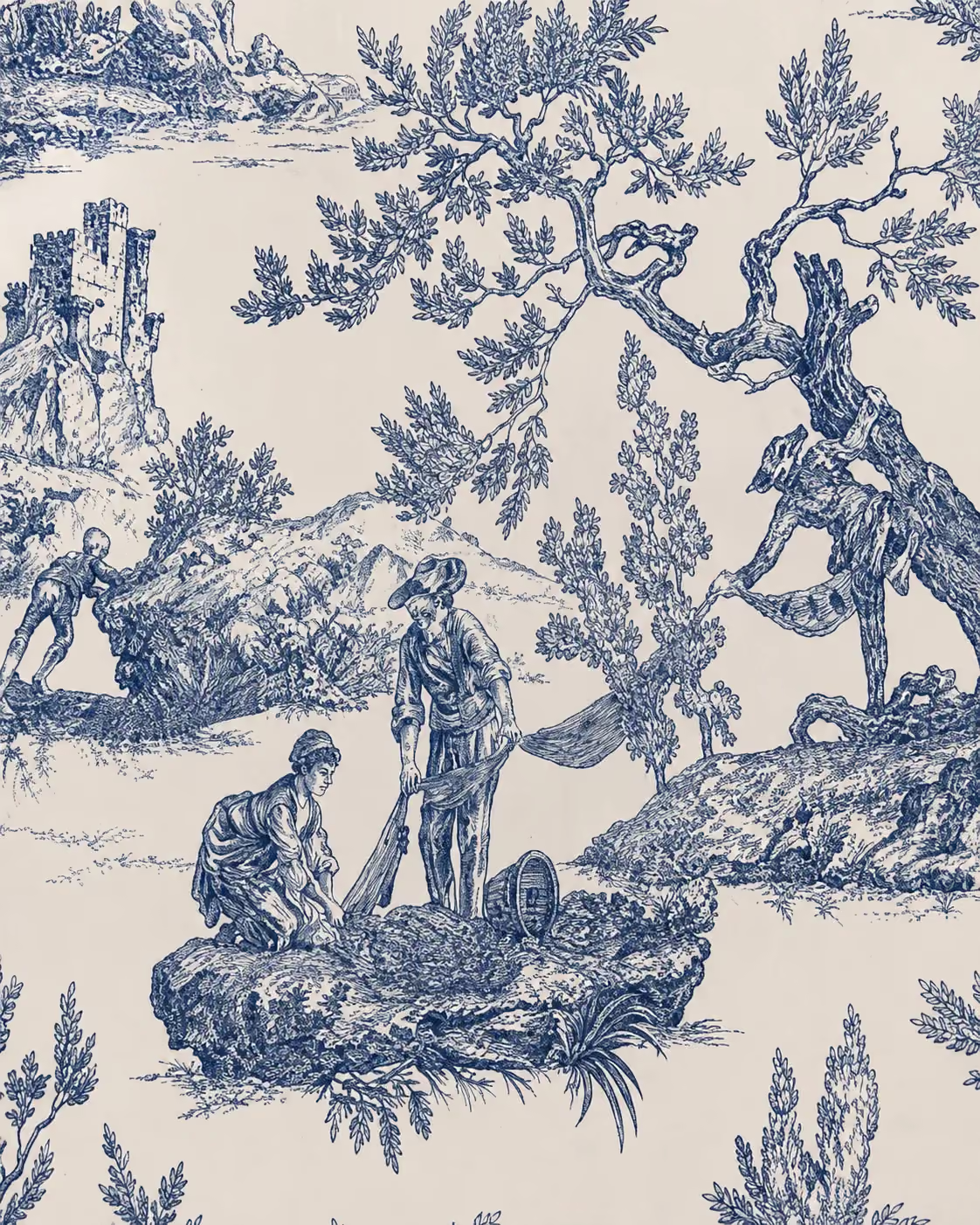
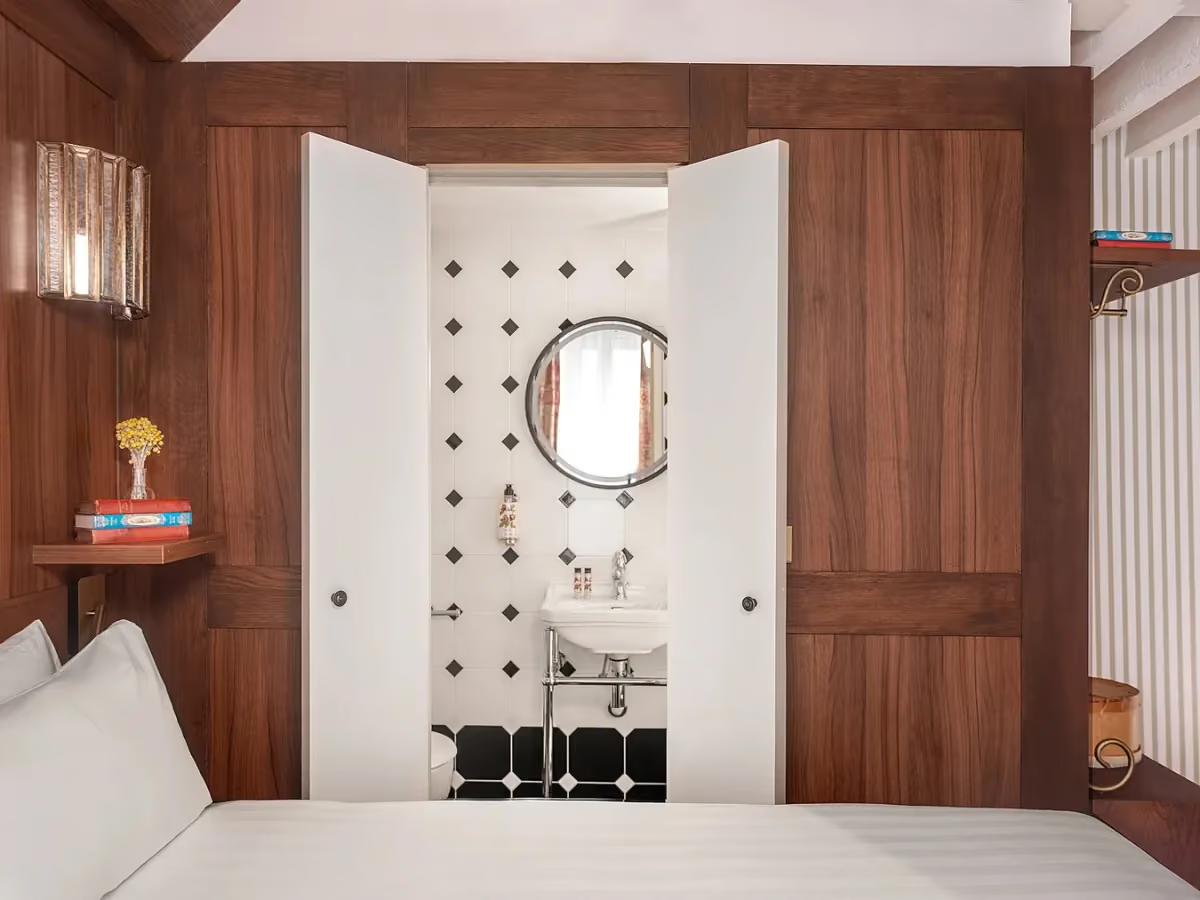
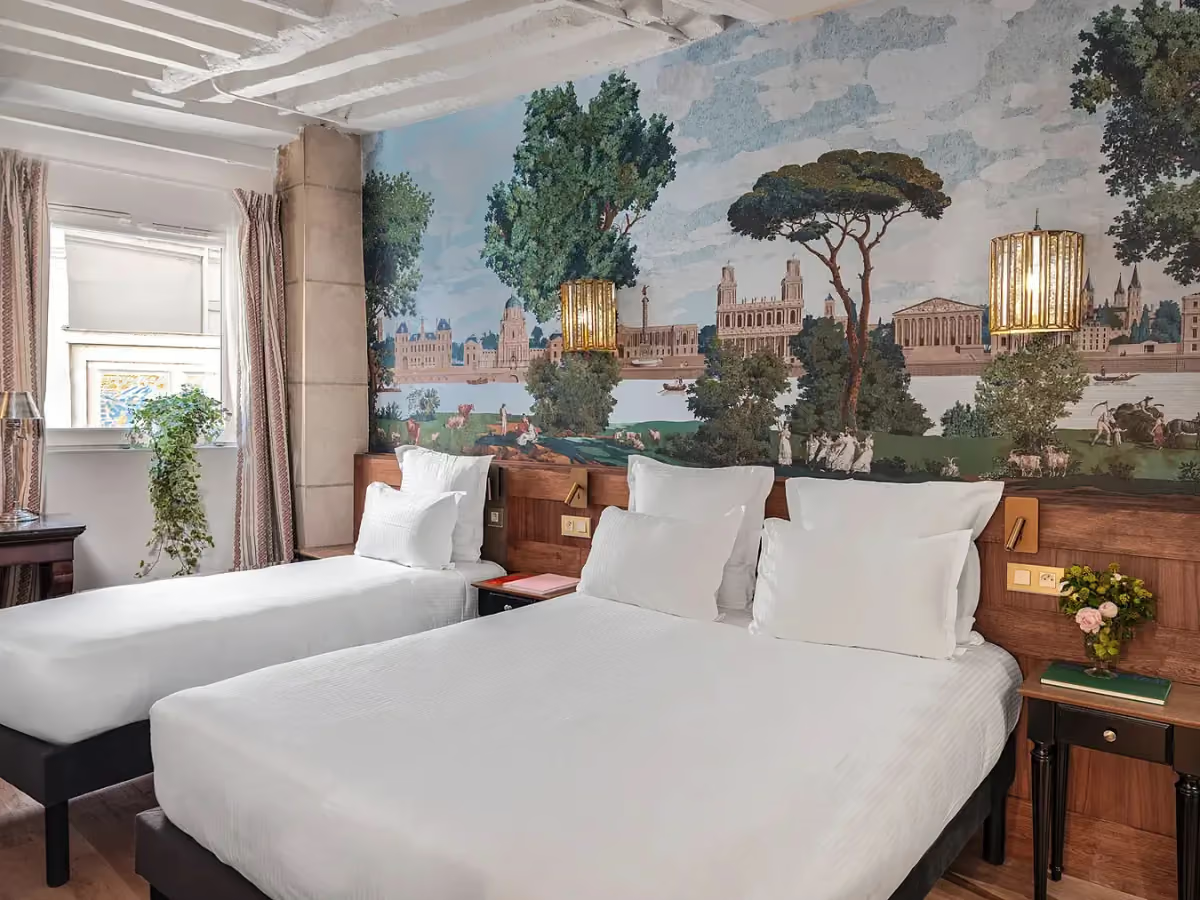
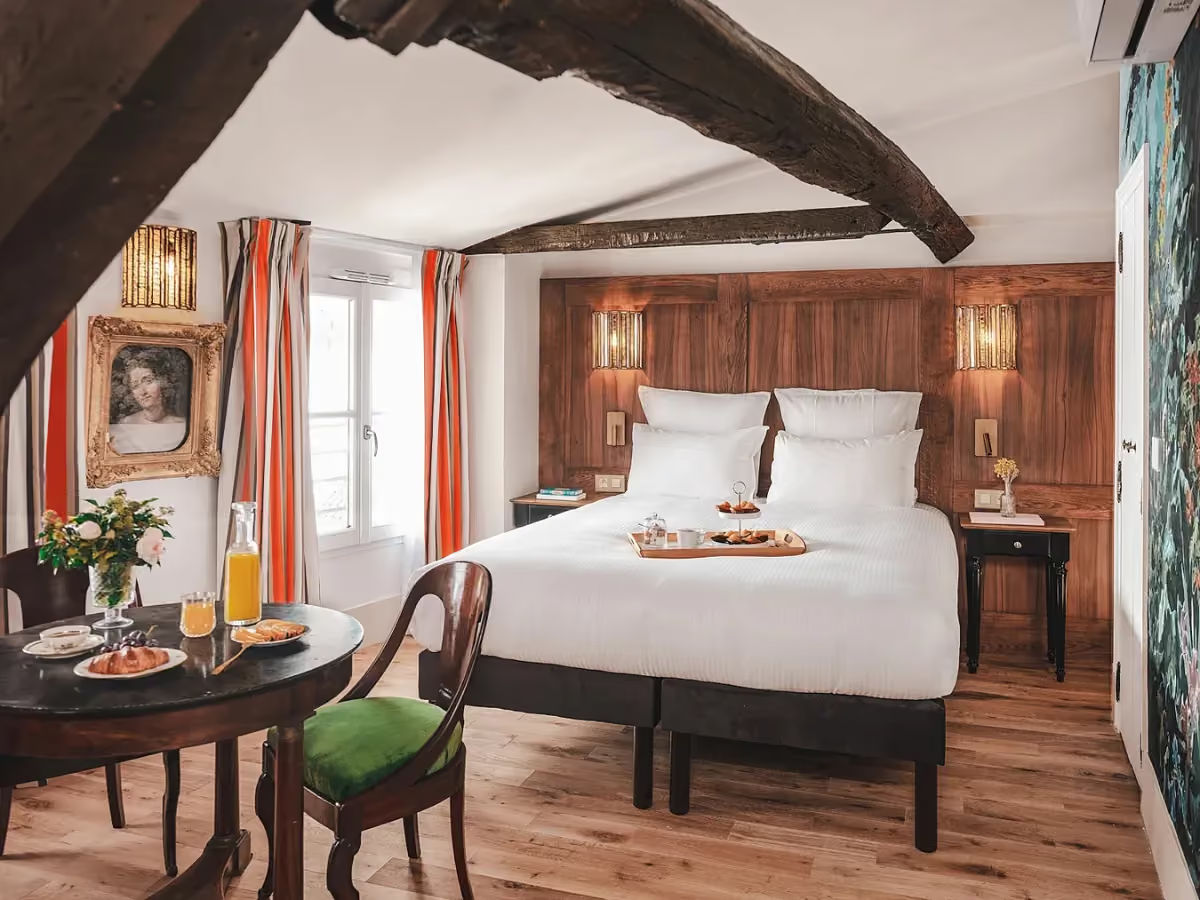
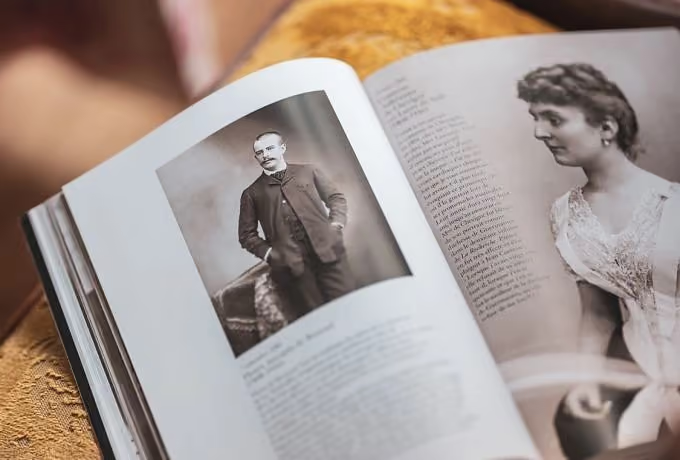
This 30-room hotel is designed to feel like the private residence of Madeleine de Senlis, a cultured woman who hosted intellectuals and artists in her salon. You will find nods to Proust and the Comtesse de Ségur, who were frequent visitors. The hotel’s decor draws inspiration from the opulent Second Empire: panoramic wallpapers in several rooms, 115 authentic 18th and 19th-century pastel portraits of women from the era, antique furniture, and toile de Jouy curtains all create an immersive 19th-century experience. Madeleine welcomes you into her home just as she once welcomed friends and acquaintances to her literary evenings, and you can enjoy breakfast or simply relax in the refined setting of the salon.
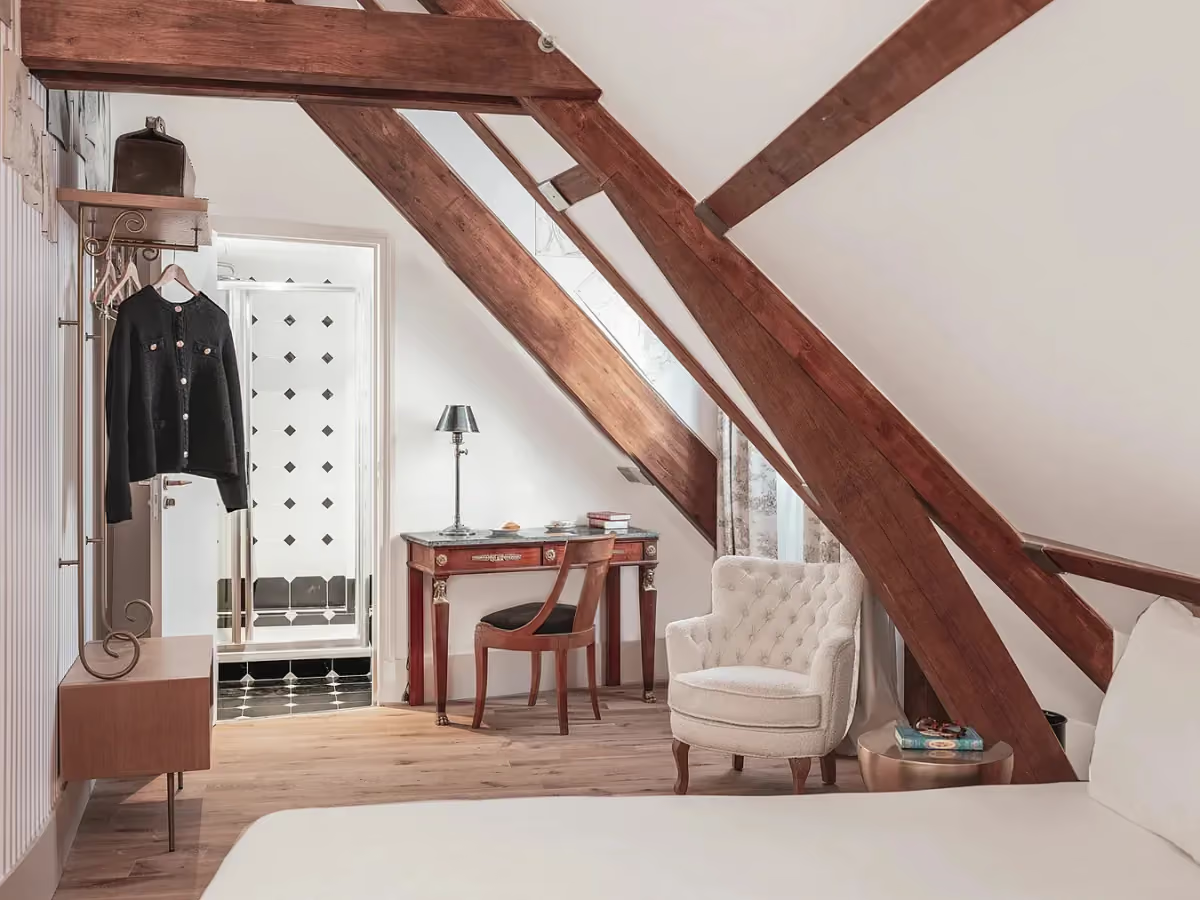
The rooms are compact, yet each possesses its own unique character with exposed beams and timber framing, all arranged around a lush courtyard that serves as a peaceful sanctuary in the heart of bustling Paris.